from Sherriff Goslin Roofing
Choose your view:
Tired of Loud Storms? Acoustic Roofing Options That Keep Homes Quieter
If your roof turns every storm into a full-volume soundtrack, you are not alone. Some homes stay calm and quiet when the weather hits. Others make you feel like the rain is tap-dancing overhead, the wind is trying to start a whistle solo, and hail is auditioning for a drumline.
The good news is that you are not stuck with a noisy roof. Acoustic roofing focuses on reducing the sounds that travel through your roof system and into your living space. The right noise-reducing roof materials, plus a few smart installation choices, can take the edge off rain roof sound, dampen wind noise, and soften hail roof noise so storms feel less intense indoors.
In this guide, we will break down why some roofs are louder than others, which quiet roofing materials actually help, and what upgrades make the biggest difference for a more peaceful home.
What Causes Roof Noise During Storms
Storm noise has layers. It is the tap-tap-tap of rain, the low whoosh and rattle of wind, and the sharp pop of hail, all travelling through the same roof system. Depending on your materials, decking, insulation, and ventilation, your roof can either soften those sounds or crank them up like surround sound.
Once you separate the noise by what is causing it, the solutions get easier to spot. Quiet roofing materials help by absorbing impact, limiting vibration, and sealing sound paths, so less storm noise makes it into your living space.
Rain Roof Sound
Rain noise depends on how hard the drops hit and how your roof absorbs that impact. Light rain may fade into the background, but heavy downpours can sound sharp and constant. Roofs with rigid surfaces and minimal sound buffering tend to pass that tapping and drumming straight through. The faster water moves across the roof, the louder and more noticeable it can feel indoors.
Wind Noise & Roof Vibration
Wind noise often sneaks up on homeowners. As air moves across the roof, it can create pressure changes that cause subtle lifting, vibration, or movement at edges, vents, and flashing. That movement turns into humming, whistling, or rattling sounds that echo through attic spaces and walls. Even when shingles stay in place, the sound can still be distracting.
Hail Roof Noise
Hail is the most dramatic of the bunch. Each impact hits with force, creating a sharp, sudden sound that can feel intense even during short storms. Roof systems that do not absorb vibration well can make hail sound louder and more alarming than it needs to be. While noise alone does not always mean damage, it often gets homeowners’ attention fast.
Why Some Roofs Are Noisier Than Others
Think of your roof like a giant instrument. Some roofs muffle storm sounds like a padded practice room. Others act like a drum, a megaphone, and a wind chime all at once.
Here is why that happens.
Here is why that happens:
- Thin or older roof decking can flex and vibrate, so every raindrop turns into a tiny thump that travels right into your rooms.
- Low attic insulation means there is not much buffer between the roof and your ceiling, so the rain roof feels louder and closer.
- Open sound paths around vents, attic hatches, and recessed lights give noise a direct shortcut into the house.
- Steeper roof slopes can make water move faster and hit harder in certain areas, which can ramp up the storm on the roof effect.
- Wind pressure and airflow issues can cause whistling, rattling, or that eerie whoosh that makes you check the windows even when they are closed.
- Hail impact is the loudest guest at the party, especially on roof systems that do not absorb vibration well.
A noisy roof is not always normal. It is often a sign that your roof system is built in a way that carries sound. Once you know what is amplifying the noise, it gets much easier to choose quiet roofing materials that help calm things down during storms.
Noise-Reducing Roof Materials That Help Quiet a Home
If your roof is loud during storms, the fix is not always a full tear-off. Sometimes it is. Sometimes it is a smarter mix of materials that work together to hush the chaos overhead. The goal is simple. Use layers that absorb impact, reduce vibration, and stop sound from slipping into the attic and down through the ceiling.
Asphalt Shingles With Better Sound Control
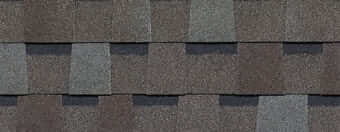
Architectural shingles are a popular choice for a reason. They are thicker than basic three-tab shingles, and that extra mass helps soften the rain roof. You are basically adding a little padding between the storm and your living room.
Look for shingles that are:
- Laminated or multi-layered
- Impact-rated, especially if hail is common in your area
- Installed with a system approach, not just swapped out on their own
Impact Rated Roofing Options
Hail does not just test durability. It tests your ears. Impact-rated roofing materials are built to handle strikes better, and that often means they also reduce hail roof noise compared to lighter, thinner options. The sound can still be there, but it is less sharp and less jolting.
This is especially helpful if you have:
- Large open rooms with vaulted ceilings
- Minimal attic space
- A history of hailstorms in your region
Art-Loc® Shingles: A Smart Pick for Hail & Noise
If hail is common where you live, Sherriff Goslin Roofing offers Art-Loc Impact Resistant Roofing Shingles with Scotchgard Granules. These Class 4-rated shingles can withstand extreme impacts, and that added strength may reduce the sting of hail roof noise compared to lighter roofing options.
Art-Loc shingles also use a patented interlocking design that seals down and locks into place. That tight, stable fit helps the roof stay secure in harsh weather, and the Scotchgard Protector helps resist algae streaking so the roof keeps a cleaner look over time. They are also well-suited for re-roof applications, including installs that can go directly over an existing roof in some situations to reduce tear-off mess and speed up the project.
Roofing Underlayment That Damps Sound
Underlayment is the unsung hero of quiet roofing. It sits between the shingles and the roof deck, and it can make a noticeable difference in how sound travels.
Options that may help include:
- Heavier synthetic underlayments that add mass
- Specialized sound-dampening layers designed to reduce vibration
- An ice and water barrier in key areas, since it adds thickness and seals gaps
Decking & Attic Upgrades That Matter
Here is the secret. A noise-reducing roof is not only about what you see from the street. What is under the shingles often makes the biggest difference.
Upgrades that can help quiet things down include:
- Stronger, properly fastened roof decking to reduce flex and vibration
- Air sealing around vents, stacks, and attic access points
- Insulation upgrades that reduce sound transfer into living spaces
- Balanced ventilation so the attic stays dry while the home stays quieter
The Secret to a Quieter Roof Is the Full System
If you want the biggest improvement, think in layers. Quiet roofing materials help soften the impact on the surface, but the real noise reduction happens when every layer underneath supports the goal. When shingles, decking, and underlayment work together, rain roof sound feels less sharp, wind noise is less likely to rattle through the house, and hail roof noise becomes less startling.
The attic side matters too. A well-sealed, well-insulated attic blocks sound paths that act like shortcuts into your living space. Pair that with the right underlayment, and storm nights can go from loud and restless to calm and manageable.
Layer by Layer, How Sound Gets Stopped
Every layer of your roof has a job to do, and when it comes to noise, each one plays a part. The outer roofing material takes the first hit. Thicker, denser shingles absorb more impact, which helps soften rain roof sound and dull the sharpness of hail roof noise before it ever reaches the deck.
Beneath that, the underlayment acts like a shock absorber. Heavier or specialized underlayments reduce vibration and help stop sound from bouncing off the decking. This layer is often overlooked, but it can make a noticeable difference in how much storm noise carries into the house.
The roof deck adds another level of control. Proper fastening and solid decking limit flexing, which cuts down on the low thumps and rattles you hear during heavy rain or high winds. Less movement means less sound transfer.
Finally, the attic seals the deal. Air sealing closes off gaps where noise likes to sneak through, and insulation slows sound as it travels downward. When all of these layers work together, storm noise loses momentum at every step. Instead of one loud, restless roof, you get a system that quietly does its job while the weather does its worst.
Why You Should Hire a Professional for Acoustic Roofing Solutions
Reducing storms requires a trained eye to evaluate your roof deck, attic insulation, ventilation, and the sound paths that let rain and hail noise carry into living spaces. A professional can recommend the right combination of noise-reducing roof products, underlayment, and insulation upgrades to reduce noise without trapping moisture or creating ventilation problems. That precision helps prevent costly mistakes and supports the long-term performance of your roof.
Correct installation matters just as much as product selection. Many acoustic roofing assemblies depend on specific fastening patterns, compatible underlayments, and proper layering to perform as intended. A qualified contractor follows local requirements closely so your roof stays durable, energy efficient, and quieter during heavy rain, high winds, and hail.
Choose a Contractor Who Knows Acoustic Roofing Systems
Working with a contractor who understands acoustic roofing reduces risk from the start. Improper material pairings, shortcuts on underlayment, or poorly sealed penetrations can increase noise, invite leaks, and reduce the results you expected. Experience matters when you want a roof that performs well and helps keep your home quieter during storms.
Our team at Sherriff Goslin Roofing helps homeowners across Indiana, Ohio, and Michigan choose quiet roofing materials that fit the home, the roof design, and the budget. We explain what makes a difference, then install the system correctly so you notice the improvement when the weather hits.
Trust Sherriff Goslin to Get It Right
We help homeowners upgrade to acoustic roofing solutions that reduce rain roof sound, limit hail roof noise, and improve indoor comfort without sacrificing protection. From inspection to material selection to installation details, we manage the process with care and craftsmanship.
You will get clear communication, clean documentation, and a roof built for performance, peace, and quiet. Ready for a quieter home the next time a storm rolls in? Contact Sherriff Goslin Roofing today to schedule a roof evaluation.