
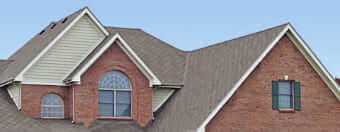
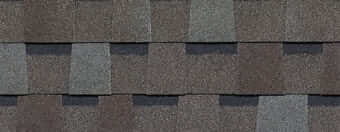

from Sherriff Goslin Roofing
Choose your view:
What Are the Common Roof Problems Homeowners Don’t Notice Until It's Too Late?
A roof can look perfectly fine from the street and still be months away from a serious problem. That is the part nobody talks about. The most common roof problems we find are not dramatic, meaning no gaping holes and no obvious missing sections. Instead, the issues are quiet, gradual, and almost invisible to anyone who is not trained to find them.
After 120 years and thousands of annual roof inspections across Michigan, Indiana, and Ohio, we’ve seen the same issues show up again and again. Some are weather-related. Some are age-related. Most are entirely catchable before they become expensive. Here is what we actually find on residential roofs every week — and what to watch for on yours.
What's Really Up There: The Quick Version
Granule loss is the single most common early warning sign, and most homeowners see it in their gutters without knowing what it means.
- Compromised flashing around chimneys, vents, and skylights is one of the leading causes of interior water damage — and one of the least visible from the ground.
- Poor attic ventilation shortens roof lifespan significantly and is behind most ice dam problems in Midwest winters.
- Lifted or unsealed shingles often lay flat again after wind, making them invisible from the street but fully compromised.
- Catching any of these problems early cuts repair costs dramatically — but only if someone actually looks.
Why Most Roof Damage Goes Unnoticed
Roofs are the one part of a home that people essentially never look at. The gutters get cleaned once a year, the lawn gets mowed every week, and the roof gets looked at approximately never… At least, until something goes wrong inside the house.
By the time a homeowner notices a water stain on the ceiling, the damage has typically been developing for months, sometimes longer. Water gets in at one location and travels along rafters and insulation before it ever becomes visible inside.
That means that the entry point and the visible damage are often in completely different places. According to the National Roofing Contractors Association, homeowners should have their roofs professionally inspected at least twice a year, and after any significant storm event. Most people never do either.
Problem #1: Granule Loss
Granules are the gritty, sand-like coating on asphalt shingles. They protect the underlying asphalt from UV exposure, regulate surface temperature, and give shingles their water-shedding ability. When they go, the shingles degrade significantly faster, and the roof's remaining lifespan shortens with them.
Granule loss happens naturally as a roof ages, but it accelerates sharply after hail impacts, extreme temperature swings, and manufacturing defects. The tricky part is that it is rarely visible from the ground.
How to spot it without getting on your roof:
How to spot it without getting on your roof:
- Check your gutters after a rainstorm, as granule buildup at the base of downspouts is a clear signal
- Look for dark, blotchy patches on shingles that indicate exposed asphalt
- Check the ground around the downspout exits after heavy rain for gritty sediment
A professional roof inspection will document the extent of granule loss across the entire surface, not just the sections visible from the yard.
Problem #2: Compromised Flashing
Flashing is the metal material installed at every transition point on your roof: around the chimney, along the valleys where two roof planes meet, around skylights, vents, and pipe boots. Its entire job is to seal those joints and keep water out. When it fails, water finds a direct path inside.
Flashing fails for several reasons: it expands and contracts with temperature, sealants dry out and crack over time, and improper installation during previous repairs creates vulnerabilities from day one. Compromised flashing is one of the most common causes of interior water damage we find, and one of the hardest things to spot without getting on the roof.
Where flashing problems show up most often:
- Chimney base and step flashing along the sides
- Pipe boots and vent collars
- Roof valleys where two planes intersect
- Skylight perimeter seals
- Drip edge along eaves and rakes
Problem #3: Poor or Failed Attic Ventilation
This one surprises many homeowners because it sounds like an HVAC problem. It is actually a roofing problem, and a serious one. Proper attic ventilation regulates temperature and moisture, both of which directly affect how long your shingles last.
Without adequate airflow, heat builds up in the attic during summer and drives shingle temperatures high enough to accelerate aging from the underside. In winter, warm air from the living space rises into the attic, hits the cold roof deck, and forms condensation that eventually forms ice dams. The U.S. Department of Energy notes that poor attic insulation and ventilation are among the leading contributors to energy loss and moisture damage in residential homes.
Signs that attic ventilation may be an issue:
- Ice dams form along eaves in winter
- Shingles aging or curling faster than expected
- High energy bills in summer due to heat transfer
- Visible moisture, mold, or staining in the attic space
- Soft or spongy decking when walking on the roof
Pro Tip: A qualified inspector checks attic ventilation as part of a thorough roof inspection. If your inspector never asks to see inside the attic, that is a gap in the assessment.
Problem #4: Lifted or Unsealed Shingles
Wind does something sneaky to shingles. A strong gust gets under the edge, lifts the shingle, breaks the adhesive seal, and then the wind stops, and the shingle lies flat again. From the street, everything looks normal. Up on the roof, that shingle is no longer bonded, and the next rain event will test that gap.
Ridge caps and hip shingles are most exposed to wind and are typically the first to show this kind of damage. Shingle edges and corners along the perimeter are also vulnerable. A shingle that looks intact but has lost its bond is a water entry point waiting for the right storm.
What a trained inspector looks for:
- Lifted edges that do not lie fully flat
- Broken adhesive strips along shingle tabs
- Ridge caps with visible separation or shifting
- Shingles that flex or move when touched, indicating no underlying bond
This is exactly the kind of wind damage that gets missed without a professional inspection, and exactly the kind that shows up as a leak six months later.
Problem #5: Improper Previous Repairs
Every house has a history, and not every roofer who came before did the job correctly. Mismatched shingles, incorrect nail placement, flashing installed without proper sealant, or a new layer installed directly over a failing one; these are problems we regularly find, and they create new vulnerabilities while masking existing ones.
The "roof over roof" situation is particularly common. Installing new shingles over old ones saves time and cost in the short term, but traps moisture, adds weight, and prevents a proper inspection of the decking underneath. Most building codes allow one layer of shingles over an existing layer, but two layers over an original layer is where the problems compound quickly.
When buying a home or scheduling a roof repair near you, ask specifically about the roof's full repair history. What you do not know about previous work can cost you significantly.
Problem #6: Age-Related Wear Homeowners Mistake for Normal
A 15-year-old roof can look completely fine to an untrained eye and still be 3 to 5 years from failure. Shingles develop a specific pattern of aging, such as granule loss, surface cracking, and curling at the edges, that a trained inspector reads as a timeline, not just cosmetic wear.
The average asphalt shingle roof lasts 20 to 30 years, depending on the quality of the material, installation, ventilation, and weather exposure. Midwest roofs tend to sit toward the lower end of that range, given the combination of summer heat, hail exposure, and freeze-thaw cycles. Age alone does not determine when to replace, but a roof past the 15-year mark deserves a professional assessment before any major weather season.
What aging looks like at different stages:
- Years 10 to 15: Granule loss beginning, minor curling at edges, surface texture changing
- Years 15 to 20: Accelerated granule loss, cracking along shingle tabs, flashing sealants drying out
- Years 20 and beyond: Significant curling, bare spots, multiple layers of repair visible, decking potentially compromised
Thinking about a full roof replacement? The inspection is the right starting point as it tells you exactly where things stand before you make any decisions.
What a Professional Inspection Catches That This List Cannot
The checklist above covers what a homeowner can reasonably assess. A professional inspector goes further by checking adhesive seal integrity, measuring granule loss depth, assessing flashing at every transition point, and evaluating attic ventilation against the actual square footage of the roof. Every finding gets photographed and documented in writing.
That written report matters for two reasons. First, it gives you an objective baseline for your roof's current condition. Second, if you ever file an insurance claim for storm damage, a documented pre-storm inspection from a professional roofing company is one of the strongest assets in the claims process.
The Bottom Line: Small Problems Stay Small When Someone Is Looking
Every expensive roof repair on this list started as something smaller. Granule loss that went unaddressed. Flashing that dried out and was never resealed. Ventilation that was never quite right from day one. The common thread is time: the longer these issues sit, the more they cost to fix.
Sherriff Goslin has been finding these problems early for homeowners across Michigan, Indiana, and Ohio for over 120 years, and the inspection that catches a $400 repair before it becomes a $4,000 one is always worth the phone call.
Get a Free Roof Inspection From the Team That Sees It All
If anything on this list sounds familiar, or if you simply cannot remember the last time someone looked at your roof, schedule your free inspection with Sherriff Goslin today. Written report, real photos, zero obligation — just a straight answer about what is up there.
Call your local branch or visit sherriffgoslin.com to book your no-cost inspection today.